Skip Hire in Mill Hill
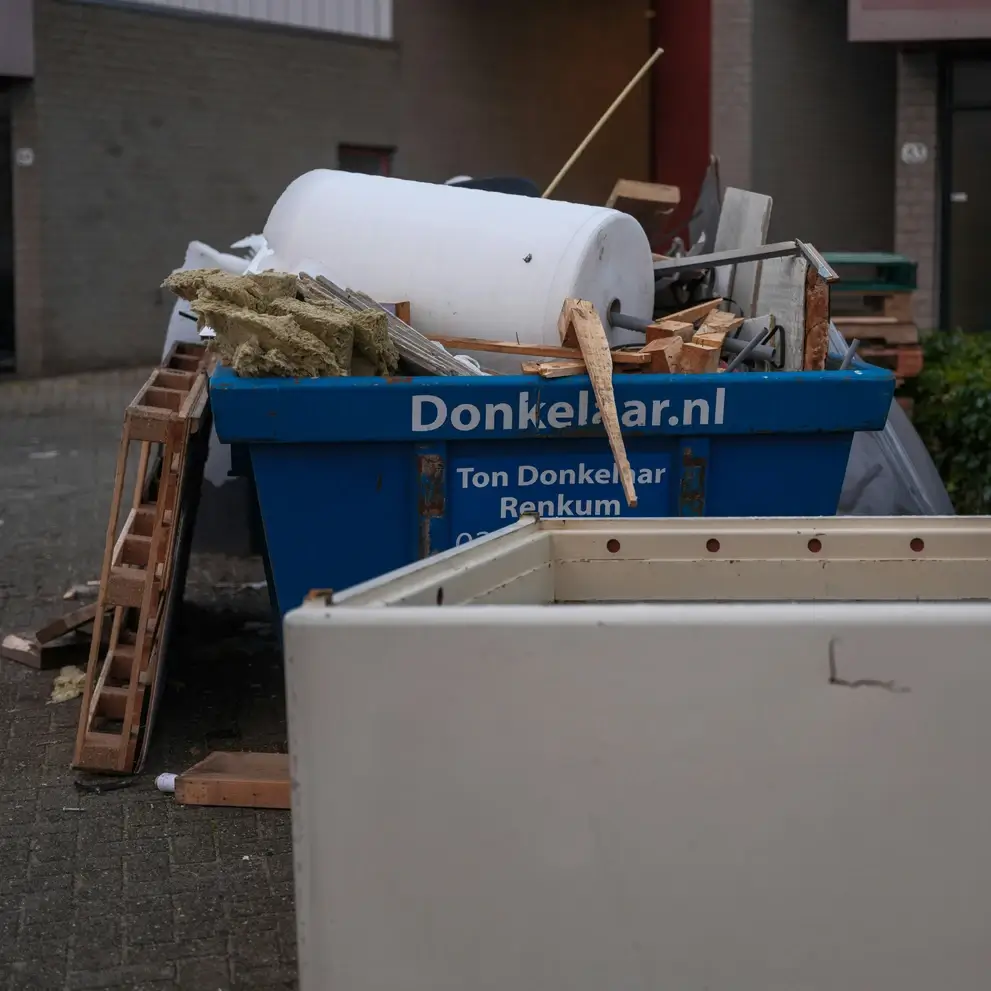
Our skip hire in Mill Hill provides a straightforward way to manage waste from home projects, refurbishments and trade work with a service shaped around the type of material, the space available on site and the time needed for the load. Whether you are clearing out a property, removing construction debris or tidying a garden after heavy work, the aim is to match the skip size and collection plan to the job so waste can be handled efficiently and with less disruption.
We offer a practical range of skip options for domestic and commercial use, including containers suited to mixed builder’s waste, lighter household clearances and more focused jobs where a smaller footprint is helpful. If access is limited or you need to avoid blocking a driveway for long, wait and load and other flexible arrangements may be more suitable than a standard drop-off. For customers comparing waste options, the service can be discussed alongside skip sizes and prices and the wider choice of skip hire services available.
If you are planning waste removal in Mill Hill, start by considering what will be thrown away, how much space there is on site and whether you need a single collection or a staged approach. A quick enquiry with the right details helps the quotation reflect the actual work rather than a broad estimate. Tell us what the job involves and we can help you choose a sensible option.
Choosing the right skip for your project
The most suitable skip is usually the one that fits both the waste type and the practical limits of the property. A smaller container can be easier where access is tight or the project is light, while a larger skip is better where waste builds up steadily and separate trips would be inconvenient. The key is not simply capacity but how the waste will be loaded, whether heavy debris is involved and how long the container will be needed on site.
For many domestic projects, a skip for general clear-out waste is enough, but building jobs often need a more robust arrangement. Materials such as rubble, soil, timber, plasterboard and mixed renovation waste each place different demands on the container. Our builders skip hire and builders waste removal pages are useful if your job involves renovation debris, while domestic skip hire is more appropriate for household decluttering and similar work.
When you are unsure which size or style to choose, it helps to think about the heaviest items, the bulkiest material and whether waste will be generated all at once or over several days. That practical view usually leads to a cleaner, simpler arrangement than guessing from the number of rooms or bags alone. If you need a more exact recommendation, a brief description of the project is often enough to narrow the options.
Domestic waste and household clearances

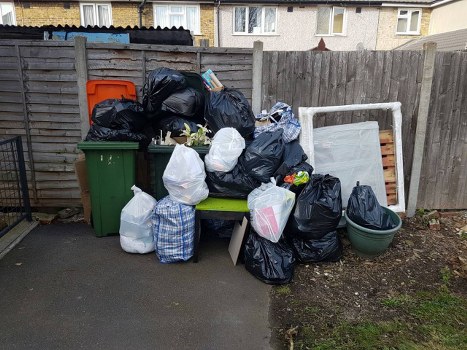
Domestic skip hire is useful when household waste is too bulky or too mixed for normal bin collections. Common uses include loft clear-outs, garage sorting, kitchen refits, old furniture and general decluttering before a move or sale. Rather than making repeated car trips to disposal points, a skip allows items to be gathered and removed in one managed collection, which can be simpler when several rooms are involved.
For property clearances, the service can also support larger one-off jobs where waste is spread through a house or outbuilding. If furniture, loose household items and general rubbish are being removed together, it may be worth reviewing our house clearance and garage and loft clearance services as well. Those pages cover related work where the job is broader than a simple container drop-off and collection.
Some household waste is straightforward, but mixed loads deserve care because different materials affect what can safely go together. Heavier items may need the load to be planned carefully, and certain articles should be separated from ordinary waste. If you are unsure about a specific item, use the waste guide before you book so the collection can be arranged correctly.
Commercial and trade skip hire
Commercial and trade customers often need waste removed with enough flexibility to fit site schedules, fit-out work or regular maintenance. A skip can support office refurbishments, shop changes, light demolition work and ongoing contractor use where debris accumulates during the job. The benefit is not just disposal but keeping the working area clearer so that people can continue safely and materials do not spread across the site.
For businesses and contractors, it may also be useful to compare commercial skip hire with construction waste disposal and construction waste clearance. Each of these pages reflects a slightly different kind of waste handling, from planned delivery of a skip to direct clearance where the job calls for a more active removal approach. We can also help when the waste arises from a focused refurbishment rather than a full build.
Typical trade loads may include packaging, timber offcuts, broken fittings, plaster, bricks and assorted site debris. Good sorting at source makes loading faster and can reduce avoidable delays when waste contains a mix of materials. If your project generates recurring waste over several visits, it is sensible to discuss the timing of the collection alongside the expected volume so the arrangement matches the workflow.
Waste types, restrictions and safe loading
Skip hire works best when the waste type is understood before the container arrives. Some materials are acceptable in ordinary mixed waste, while others require separate handling or specialist disposal. Examples can include electrical items, fridges, hazardous materials, liquids and anything that might create safety or environmental concerns. Knowing this in advance avoids loading problems and helps keep the removal process orderly from the outset.
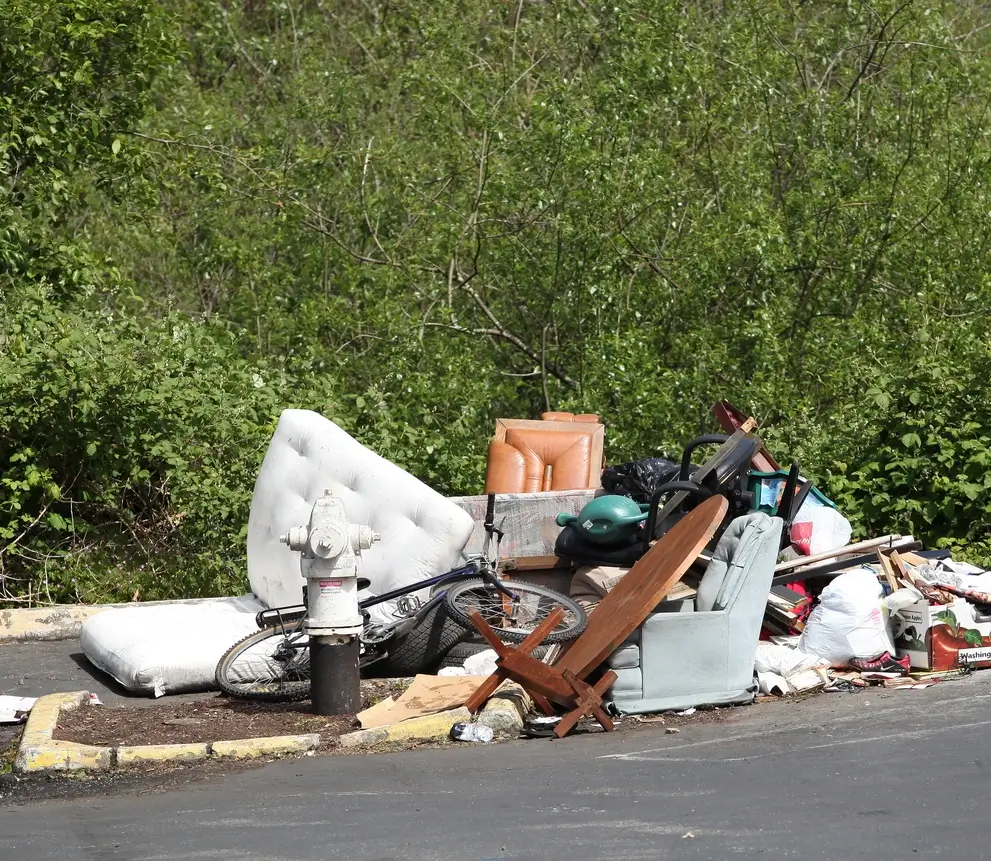
If you are not certain what can be included, our what can go in a skip page is a useful starting point, and hazardous waste disposal explains where specialist treatment may be needed. Some larger items also need their own handling route, such as fridge and appliance removal or mattress and sofa disposal, especially where the contents are awkward to load into a standard mixed skip.
Loading also matters. Even when waste is permitted, it should be placed in the container so it can be transported safely and legally. Heavier material is usually better distributed evenly, and overfilling can create problems at collection time. A measured approach to loading helps the job move smoothly and can make the difference between a clean pickup and an avoidable delay.
Site access, permits and placement

The practical side of skip hire often comes down to placement. A driveway can be the simplest option, but not every property has enough room or suitable access. In some cases the skip needs to sit on private land where vehicles can reach it without interrupting the rest of the work, while in other cases the available space is better suited to a smaller container or an alternative removal method.
If the skip has to go on a public road, the question of permissions becomes important. Our skip permits and skip hire permits pages cover the general process, while accessibility statement and related site information may also be useful if you are checking how the arrangement fits around a narrow frontage, shared access or other site constraints. The right placement can save time and reduce avoidable disruption.
Where road placement is not ideal, some customers choose a more limited collection method instead. wait and load skip hire can suit locations where a stationary skip would be awkward, and it may be helpful on streets with limited parking or properties that cannot keep the container on site for long. The aim is always the same: to find a lawful, workable position for the waste without making the rest of the project harder than it needs to be.
Clearances for gardens, garages and outbuildings
Not all skip jobs are linked to building work. Garden waste, old tools, broken outdoor furniture, shed contents and mixed storage items can also create enough volume to justify a skip. Outdoor clearances often involve lighter but bulky material, and the challenge is usually organisation rather than weight alone. A skip keeps the waste in one place while the rest of the space is sorted and made ready for further work.
For outdoor jobs, we also support garden waste removal, which is helpful when the waste stream is mainly green material rather than general rubbish. If the work includes dismantling or clearing structures, site clearance and demolition waste removal may be more relevant. Those options are better suited when the task goes beyond routine household tidy-up work and includes heavier debris or a broader area of removal.
Garden and outbuilding clearances often produce a varied mix, so it helps to separate reusable items, general waste and any material that may need specialist treatment. That approach can keep loading more efficient and avoid mixing things that ought to be handled differently. For customers who are clearing a property in stages, a skip can be part of a wider clean-up plan rather than a one-off drop and collect.
Planning your quotation and booking
A clear quotation depends on a few practical details. The type of waste, the approximate volume, the location of the container and the intended duration all influence the final arrangement. If access is restricted, there may also be a need to consider whether a skip, a smaller collection method or a direct removal service is the better fit. That is why it helps to describe the job plainly rather than using broad terms alone.
Before requesting a price, it is useful to have a rough list of the main items or materials, plus any notes about stairs, driveways, road access or site controls. pricing and quotes provides a helpful overview, and book online is available if you are ready to move ahead once the right option has been identified. If you prefer to understand costs more fully first, it is sensible to ask about the factors that shape the quotation.
Keep in mind that the best quote is usually the one based on an honest description of the waste rather than an optimistic guess. If the load turns out to be larger, heavier or more varied than expected, the arrangement may need adjusting. Two minutes of accurate information can make the rest of the process smoother. Contact us when you are ready and we will help you choose the most practical route.
About Mill Hill
Mill Hill is a district in the London Borough of Barnet, in north-west London, with a landscape shaped by both long settlement history and later suburban development. The area includes the higher ground of Mill Hill Village, older lanes and pockets of open space alongside residential streets, schools and local shopping areas. Its name is traditionally associated with a windmill that once stood on the hill, and the district still carries a sense of elevation that distinguishes it from some of the flatter surrounding neighbourhoods. The area is also notable for the presence of Mill Hill School, founded in the nineteenth century, which has become one of the best-known institutions connected with the district. Nearby open spaces and nature reserves contribute to the local character, with places such as Scratch Wood and parts of the Totteridge Valley helping to preserve a more rural feel in some sections. Alongside these quieter areas, there are busier routes and modern housing that reflect the district’s gradual growth through the twentieth century. Mill Hill Broadway serves as a focal point for shopping, transport and everyday activity, while the older village area preserves a more historic arrangement of roads and buildings. The result is a place with several layers of identity: suburban, historic and green, all within a single north London district.
Skip sizes, collection timing and flexible waste handling
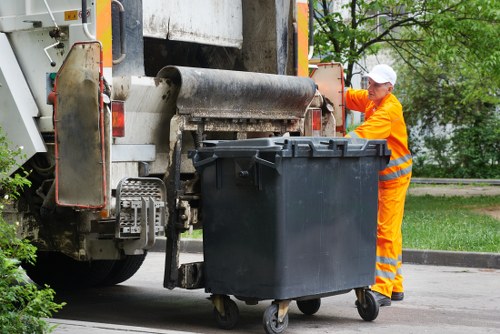
Different projects need different collection timing. A quick clear-out may only need a short placement period, while a phased refurbishment could benefit from a container that stays in position for longer. The right timing depends on how the work is organised, whether the waste is generated all at once or in stages, and how much room there is for the container during the job. Planning this properly can help avoid interruptions to the work itself.
Where a standard skip is not the best answer, there are other service paths that may fit better. grab hire services can be useful when waste is piled up in a way that is easier to remove mechanically, while grab lorry hire provides a similar alternative for larger loose waste. For quicker access to lightweight but bulky rubbish, rubbish removal may be the more direct choice.
There is also a place for more specialist approaches where the job is focused on a particular type of material or site condition. muck away services are suited to spoil and similar material, while same day skip hire can be relevant when the need is immediate and the arrangement has to be handled promptly. Choosing between these depends on the actual waste, not simply on the size of the job.
Related services for larger clear-outs and specialist loads
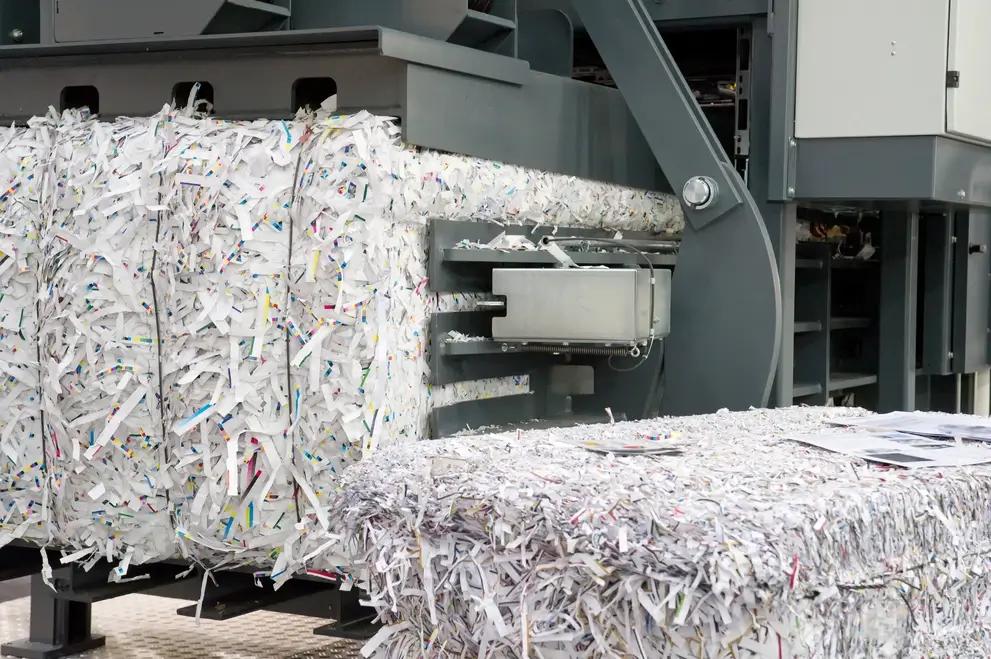
Some jobs grow beyond a standard skip because the waste is especially mixed, sensitive or urgent. In those cases, a broader clearance service may be more convenient than arranging a container and loading everything by hand. office clearance can support the removal of desks, storage items and redundant equipment, while confidential shredding is relevant where secure disposal of paper records matters as part of the job.
For homes and commercial premises with a large amount of mixed waste, house clearance and site clearance provide alternatives when the waste stream is too varied for one simple solution. If the load includes items that need segregating or a particular disposal route, the relevant specialist service should be considered rather than forcing everything into one approach. This can make the process more orderly and easier to manage.
Where sustainability matters to your project, it is sensible to review our waste recycling services and recycling and sustainability information. These pages explain the broader treatment of waste after collection and help set expectations around sorting and recovery. If you are still deciding, choose the method that fits the waste first and the rest becomes much simpler.
What to do before you request a quotation
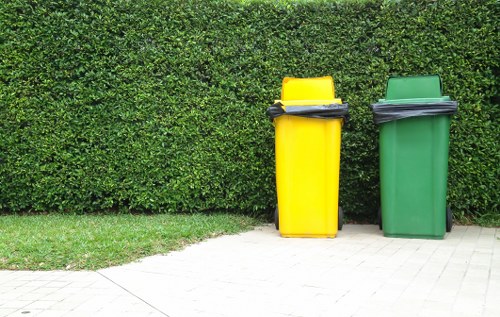
To keep the enquiry process efficient, it helps to have a simple picture of the job before you contact us. A rough description of the waste, the likely volume, the site access and any time pressure gives enough context to recommend a sensible option. If photos are available, they can be useful, but they are not the only way to explain the work clearly. The main aim is to match the service to the material and the setting.
It is also useful to know whether the job involves one load or several, whether the items are all in one place or spread around the property, and whether anything needs separating before collection. That information helps avoid unnecessary back-and-forth and makes it easier to compare a skip against a different type of removal. If you want to keep the conversation focused, note the most awkward items first and the rest can follow from there.
When you are ready to move ahead, ask for a quotation that reflects the actual waste and the practical access on site. If the job suits a container, a skip can be arranged; if another service is more appropriate, it can be discussed at the same time. Send the details, then let us help you select the right option. For an enquiry or quotation, please get in touch.