Recycling and Sustainability — Skip Hire Mill Hill
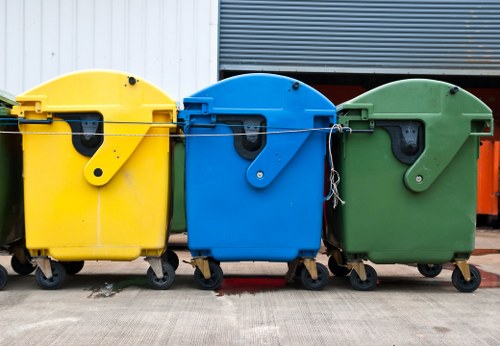
At Skip Hire Mill Hill we place the environment at the heart of everything we do. Our approach to an eco-friendly waste disposal area and a sustainable rubbish area is practical, measurable and community-focused. We work across residential and commercial projects in Mill Hill and the surrounding boroughs to reduce landfill, maximise resource recovery and support circular-economy initiatives. Every skip we place is managed with separation, reprocessing and reuse in mind.
 We publish clear targets and transparent performance metrics so customers understand the environmental value of using our services. Our current operational goal is to divert a minimum of 70% of collected material from landfill across general waste and mixed wastes, with a stretch target to reach 75–80% for construction and demolition streams by 2030. For specific streams such as wood, metal and hardcore we aim for higher recovery rates through targeted sorting and reuse partnerships.
Local logistics are key to low-impact skip hire. We make use of nearby transfer stations and resource recovery centres to shorten haul distances and speed up processing. Typical facilities we work with include the Barnet and north London transfer points and regional hubs such as Hendon transfer facilities and Edmonton EcoPark for energy-from-waste and specialist processing. By routing material via local transfer stations we reduce time in transit, lower emissions and improve the likelihood of material being recycled in the local economy.
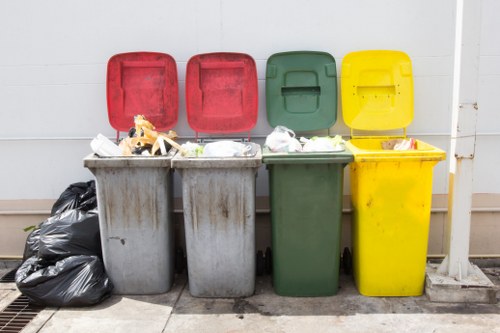
 We align closely with the boroughs' approach to waste separation: many London boroughs, including Barnet, encourage the separation of food waste, textiles, paper and card, rigid plastics, metal, and glass. Our service complements those municipal systems by providing tailored skips for segregated loads — for example designated skips for green waste, clean hardcore, wood, and segregated mixed recyclables — to fit in with local collection schemes and minimise contamination.
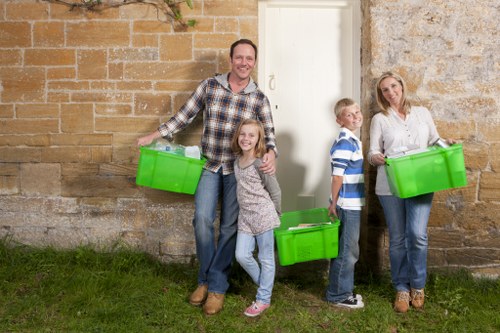
Partnerships are central to how we convert collected waste into value. We maintain active relationships with reuse organisations and charities so that items with residual life are diverted away from disposal routes. Furniture, working appliances and usable building materials are offered to local charities and social enterprises that operate reuse shops or refurbishment projects, creating jobs and supporting vulnerable residents across the boroughs we serve.
Charity Partnerships and Community Reuse
Our charity partnerships are structured to prioritise reuse before recycling. We work with a network of community groups, non-profit furniture stores and social enterprises that accept:
- Second‑hand furniture and household goods
- Working electricals and small WEEE items
- Reusable building materials such as doors, timber and sanitaryware
- Textiles suitable for re-homing or recycling
These arrangements mean fewer materials are processed for energy recovery or landfill and more are put back into circulation. When items are not suitable for direct reuse we ensure they are passed to accredited recycling partners to recover raw materials.
Low-Carbon Vans and Fleet Initiatives
To support an eco-friendly skip hire Mill Hill model we operate a hybrid and electric-aware fleet. Our low-carbon vans and hybrid trucks are deployed on dense local rounds to reduce urban emissions. Vehicles are fitted with telematics and route-optimisation software to cut unnecessary mileage, and we schedule pickups to consolidate loads wherever possible. We also trial electric collection vans for small skips and minibins where access and payload permit.
Beyond low-emission vehicles we adopt best practices including:
- Predictive routing to reduce idling and congestion
- Regular driver eco-training to improve fuel efficiency
- Carbon accounting for major projects with options for verified offsetting
These measures are designed to make our Mill Hill skip hire services a leading choice for customers seeking a sustainable rubbish area solution.
 Materials and Stream Management
Our sorting and handling protocols ensure that common recyclable streams are captured and processed appropriately. We accept and actively segregate:
- Mixed construction waste (sorted into hardcore, timber, metal)
- Green garden waste for composting or anaerobic digestion
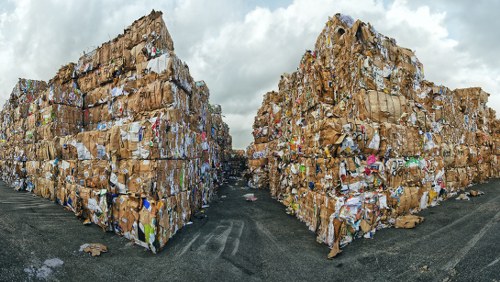
- Paper, card and cartons sent to fibre reprocessors
- Plastics and metals routed to material-specific reprocessors
- WEEE and batteries managed through authorised WEEE handlers
By maintaining strict contamination controls and offering specialised skip sizes for each stream we increase recycling yields and reduce the environmental footprint of disposal.
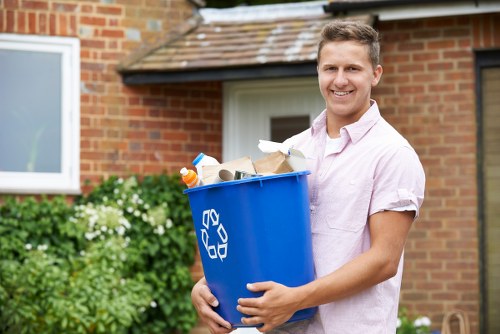 Reporting, Targets and Continuous Improvement
Transparency underpins our sustainability commitments. We provide waste transfer notes and clear recovery figures for every job, and we review performance against our recycling percentage target quarterly. Continuous improvement programs include waste audits, trialling improved segregation at source, and expanding our reuse channels through new charity partnerships.
Whether you require Mill Hill skip hire for home renovation, a construction site, or a community clear-out, our focus remains on delivering an eco-friendly waste disposal area and a practical sustainable rubbish area. We combine local knowledge of borough waste practices, accredited transfer-station networks, charity partnerships and low-carbon logistics to reduce environmental impact and keep materials in circulation for as long as possible.
Summary of our commitments:
- Recycling percentage target: minimum 70% across general collections, with higher targets for construction streams
- Use of local transfer stations and regional recovery centres to reduce haul distances
- Active partnerships with charities and reuse organisations to divert usable items
- Low-carbon vans, hybrid trucks and route optimisation to lower emissions
Skip Hire Mill Hill continues to evolve its services to meet the needs of a greener London: practical, compliant and community-minded solutions for sustainable waste handling and resource recovery.