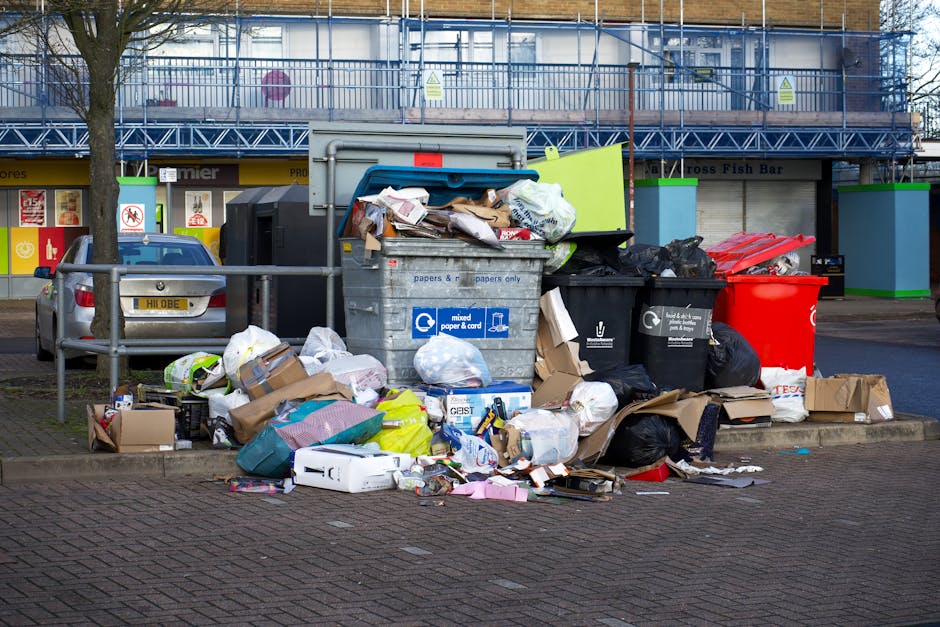
Rubbish removal on Bunns Lane NW7 local service tips

If you are trying to clear waste on or near Bunns Lane in NW7, the job can look simple at first and then suddenly turn into a bit of a nuisance. A few bags become a hallway stack, a broken wardrobe blocks the landing, or builder's rubble starts eating up driveway space. That is usually the point where rubbish removal on Bunns Lane NW7 local service tips becomes more than a search term; it becomes a practical problem you want sorted quickly, safely, and without fuss.
This guide pulls together the local considerations that matter most: access, parking, the kind of waste you have, what service method fits best, and the mistakes that tend to cause delays or extra cost. It is written to help homeowners, landlords, contractors, and businesses make a sensible choice. Not flashy. Just useful. And in NW7, useful matters.
Why Rubbish removal on Bunns Lane NW7 local service tips Matters
Bunns Lane sits in a part of NW7 where access can be straightforward in one location and awkward ten minutes later in another. Some properties have generous frontage; others are tighter, with limited waiting space, busy kerbs, or awkward turning areas. That is exactly why local service planning matters. A rubbish job that works perfectly on paper can go sideways if the vehicle cannot stop safely, the waste is scattered across floors, or the wrong clearance method has been chosen.
Local service tips are not just about speed. They help you avoid overpaying, protect neighbours from mess, and reduce the chance of a failed collection. Let's face it, nobody wants a lorry arriving while half the load is still in the loft and the fridge is trapped behind a sofa. A bit of forward planning saves a lot of bother.
There is also the question of waste type. Mixed rubbish, bulky furniture, renovation debris, garden waste, and items that need special handling do not all follow the same route. If you sort that out early, the whole process tends to be cleaner, quicker, and less stressful.
Expert summary: On Bunns Lane NW7, the smartest rubbish removal jobs are the ones planned around access, waste type, and timing. That simple trio prevents most avoidable problems.
How Rubbish removal on Bunns Lane NW7 local service tips Works
Rubbish removal usually starts with a quick assessment of what you want gone. That might be a one-off collection, a full house clearance, builders' waste after a project, or a mixed load from a garage or office. Once the waste is understood, the service method can be matched to the job.
In practical terms, the process normally looks like this:
- Describe the waste clearly. State whether it is household junk, bulky furniture, garden cuttings, construction rubble, or something more sensitive like electricals or confidential paperwork.
- Check access. Think about driveway width, parking restrictions, steps, narrow hallways, lift access, or whether the collection vehicle can safely stop nearby.
- Choose the right removal method. That may be a man and van collection, a skip hire option, grab hire, wait and load, or a more targeted service such as rubbish removal for a straightforward load.
- Confirm what can and cannot go. Some items need specialist handling, and the best services will flag that early rather than dump surprises on you later.
- Set a time that suits the site. If there are neighbours, school runs, loading bay limits, or business opening hours, timing matters more than people expect.
For larger or more mixed jobs, a service such as man and van can be practical because it combines labour and transport. For heavier rubble or soil, grab hire services may be the better fit. If you need waste gone the same day because the space is urgently needed back, look at same day skip hire or a wait-and-load style arrangement, depending on the site conditions.
There is no single perfect method. That is the honest answer. The right choice depends on the shape of the job, not just the amount of waste.
Key Benefits and Practical Advantages
A well-planned rubbish removal service does more than empty a pile. It gives you breathing room, a safer property, and a much clearer next step. On a busy road or a compressed residential street, that can make a real difference to how the day feels.
- Faster clearance: You can free up rooms, driveways, or work areas without waiting around for weeks.
- Less manual lifting: Good rubbish removal reduces the strain of carrying heavy or awkward items downstairs, across paths, or through tight hallways.
- Better site safety: Loose waste, broken timber, and sharp edges are removed before someone trips or cuts themselves.
- Cleaner presentation: This matters if you are selling, letting, renovating, or just trying to get the place back under control.
- More suitable disposal routes: Different waste streams can be separated and managed more responsibly.
- Less stress with neighbours: A tidy, timed removal is easier to live alongside than a messy, open-ended pile.
For local homeowners, that often means a loft that finally becomes usable again. For tradespeople, it means the site can move to the next phase without a waste bottleneck. For office managers, it can mean a cleaner handover and fewer awkward "where do we put this?" moments. The small wins add up.
If recycling and reuse matter to you, it is worth asking how the waste will be handled. Many jobs can be supported by recycling and sustainability practices that keep materials moving into the right channels where possible.
Who This Is For and When It Makes Sense
This kind of local rubbish removal is useful for a surprisingly wide range of people. Sometimes the need is obvious. Other times it sneaks up after a weekend of sorting, unpacking, or building work. You know how it goes: one minute it is "just a few things," the next the spare room looks like a charity shop after a wind tunnel.
It usually makes sense for:
- Homeowners clearing general household waste, loft clutter, old furniture, or post-move leftovers.
- Landlords and agents dealing with end-of-tenancy rubbish, abandoned items, or quick turnaround clearances.
- Builders and trades who need bricks, plasterboard, timber offcuts, or mixed renovation debris taken away.
- Garden owners with soil, branches, hedge cuttings, turf, or overgrowth that has been cut back after months of neglect.
- Businesses clearing offices, storage areas, or refurbishment waste.
- People with bulky items like mattresses, sofas, or white goods that are awkward to move safely.
For domestic clearances, you may want to compare domestic skip hire with a direct collection service. For lofts, garages, and cluttered outbuildings, garage and loft clearance can be a simpler path if the items need sorting as well as lifting.
Commercial users often care about speed, discretion, and avoiding disruption during trading hours. In that case, commercial skip hire or a structured clearance approach can work better than an ad hoc one-off solution.
Step-by-Step Guidance
If you want the job handled smoothly, a little structure goes a long way. Here is the practical sequence I would follow on Bunns Lane NW7.
- Sort the waste into rough groups. Separate general household rubbish, furniture, green waste, builders' rubble, electrical items, and anything potentially restricted.
- Measure the access route. Check door widths, stair turns, doorway heights, parking space, and whether the vehicle can get close enough without causing problems.
- Decide whether you need labour help. If items are upstairs, in a loft, or behind fixed furniture, you will likely need a service that includes lifting rather than just collection.
- Check if the load is mixed or specialised. Heavy construction waste, confidential material, fridges, or hazardous items should be treated differently.
- Match the service type. Choose between rubbish removal, skip hire, wait and load, grab hire, or a man and van solution based on access and volume.
- Ask about disposal handling. Reputable operators should be clear about how waste is transferred, sorted, and dealt with.
- Book the collection with realistic timing. If the road is busy or parking is tight, the appointment window matters. A lot. More than people think.
- Prepare the waste area. Put items in one place if possible, protect floors, and keep the route clear for safe lifting.
- Be present if needed. For mixed or uncertain loads, being on site can save a lot of back-and-forth questions.
- Do a final sweep. Check cupboards, behind doors, under stairs, and in sheds before the team leaves. You would be amazed what gets left behind.
If the waste includes renovation rubble or demolition debris, construction waste disposal, builders waste removal, or demolition waste removal may fit better than a general clear-out. For bigger site jobs, site clearance can be the more efficient route.
Expert Tips for Better Results
There are a few habits that consistently make rubbish removal smoother. They are not glamorous, but they work. And honestly, the boring advice is often the good advice.
1. Photograph the load before booking. Even rough photos help with estimating volume and waste type. A single image of a pile in a room says more than a long, slightly apologetic explanation ever will.
2. Be realistic about weight. A small-looking pile of tiles, soil, or rubble can be much heavier than it appears. That affects vehicle choice and handling time.
3. Keep a separate spot for restricted items. Fridges, mattresses, TVs, paint tins, and chemicals can require different treatment. Mixing them into a general pile can complicate the job.
4. Think about neighbours and access windows. If the only good loading time is early morning or after school pickup, say so upfront. It saves awkwardness later.
5. Use the right disposal route for bulky items. For example, fridge and appliance removal is more appropriate than simply putting appliances into a general pile. Sofas and mattresses can also benefit from dedicated handling such as mattress and sofa disposal.
6. Ask what happens if access changes. On some streets, parking can change hour by hour. If the vehicle cannot get where expected, a fallback plan matters.
7. If waste is sensitive, treat confidentiality seriously. Old files, hard drives, and paperwork should not just be thrown in with general rubbish. Confidential shredding is worth considering where private information is involved.
8. Don't overfill your chosen method. Whether it is a skip or a collection load, overstuffing leads to delays, extra handling, or refusal. The goal is smooth collection, not a game of waste Jenga.
Common Mistakes to Avoid
A lot of rubbish removal problems are preventable. They come from rushing, guessing, or assuming one service fits every scenario. It rarely does.
- Underestimating the amount of waste. People often think they have "a small load" and end up with far more than expected once sorting begins.
- Ignoring access issues. Narrow driveways, low branches, busy parking, and tight stairways can change the whole plan.
- Mixing specialist waste with general rubbish. That can create safety and handling problems, especially with electricals or potentially hazardous materials.
- Not checking what can go in the load. If you are unsure, use the relevant guidance on what can go in a skip as a practical reference point.
- Leaving sorting until the last minute. Quick sorting saves time. Last-minute sorting tends to create mess.
- Choosing the wrong service for the site. For example, a skip is not always the best idea if parking is tight, while man and van may not suit very heavy rubble.
- Forgetting about permits or placement issues. If a skip would need to sit on a public highway, check the requirements first. A poor decision here can slow everything down.
The biggest mistake, though, is probably this: assuming the first cheap quote is the best quote. Sometimes it is. Often it is not. Details matter, and hidden complications tend to show up exactly when you least want them to.
Tools, Resources and Recommendations
You do not need a van full of gear to arrange rubbish removal well, but a few simple tools help a lot. Nothing fancy. Just practical.
- Measuring tape: Useful for checking doorway widths, stair turns, and item sizes.
- Phone camera: A few clear pictures make quoting and planning far easier.
- Basic gloves and sturdy footwear: Helpful if you are moving light items before collection.
- Sticky labels or marker pens: Great for marking items that are staying, going, or need special handling.
- Sheets or dust covers: Handy if you are clearing a dusty loft or moving waste through clean rooms.
- Clear bags or boxes: Good for small mixed waste, paperwork, and loose items.
In terms of service selection, it helps to think about the job in layers. If it is mainly bulky household waste, house clearance can be a strong fit. If it is a business storage room, office clearance might be more suitable. If the job is trade-heavy and the load is large but still accessible, builders skip hire could be better than repeated ad hoc collections.
For pricing planning, it is sensible to review skip sizes and prices alongside pricing and quotes. Even if you do not end up using a skip, those pages help you compare the trade-offs clearly.
If you want to understand the company side of things before booking, take a look at about us and insurance and safety. It is the kind of reading people often skip, then wish they had not.
Law, Compliance, Standards, or Best Practice
Waste disposal in the UK needs to be handled responsibly, even for what looks like a simple household clear-out. You do not need to become a compliance expert, but you do need to avoid obvious risks. That includes fly-tipping, careless mixing of waste streams, and sending restricted items down the wrong route.
Best practice usually means:
- Using a reputable carrier that can explain how waste is handled.
- Separating hazardous or specialist items instead of dumping everything together.
- Keeping personal data secure where paperwork, devices, or office files are involved.
- Choosing the right removal method for the location and the waste type.
- Making sure the site stays safe during loading and collection.
If your job touches healthcare-type chemicals, paints, asbestos risk, solvents, pressurised containers, or anything you are not sure about, pause and get specific guidance before moving it. That caution is not overkill. It is sensible. The same goes for any item that might be classed as hazardous. Use hazardous waste disposal where needed rather than guessing.
If you are working on a building plot or major renovation, services like construction waste clearance and muck away services can help keep the site compliant and efficient. For enclosed areas or locations where security matters, enclosed and lockable skip hire may be worth exploring.
Options, Methods, or Comparison Table
Different waste jobs suit different solutions. The comparison below keeps it simple.
| Method | Best for | Main advantage | Watch out for |
|---|---|---|---|
| Rubbish removal / man and van | General mixed waste, bulky items, loft or garage clearances | Hands-on loading and flexible access | Can be less efficient for very heavy waste |
| Skip hire | Ongoing waste, renovation projects, predictable volumes | Good for medium to large jobs over time | Needs space and may need a permit |
| Grab hire | Heavy loose material, soil, rubble, site waste | Fast for bulk material and awkward loads | Not ideal for household sorting or sensitive access |
| Wait and load | Tight sites, no space for a skip, quick clear-outs | Very useful where parking or leaving a container is difficult | Loading has to be efficient and ready to go |
If the site is constrained, a waiting vehicle can sometimes be the cleanest option. If you need time to fill a container, a skip may be better. If you have a pile of soil after landscaping, grab hire may be the obvious answer. It really depends on what is sitting there on the day.
For people who need to decide quickly, a wait and load skip hire approach can work well where parking is tight and you want the waste gone without leaving anything on the street. It is a very local problem, honestly, and local solutions tend to work best.
Case Study or Real-World Example
A typical NW7 scenario goes like this. A homeowner on a side street off Bunns Lane decides to clear a garage that has quietly filled up over the years. There are old boxes, two broken chairs, a mattress, a dismantled wardrobe, several black bags, and a rusted garden table that has seen better days. Nothing dangerous, just awkward.
At first glance, it seems like a quick afternoon job. Then the real issues appear: the garage door opens into a narrow path, the driveway is shared, and the front kerb is often busy. If the team turns up without knowing this, the job slows down. If they know in advance, they can plan the right vehicle, the right timing, and the right lifting approach.
In that situation, a collection method with labour support usually makes sense. A simple skip might not be the best fit if there is nowhere sensible to place it. A grab lorry would be overkill for mixed furniture. But a man and van style rubbish removal service is ideal because the load can be carried out carefully, sorted on arrival, and removed in one go. The job ends with a clear garage floor, a lighter mood, and no awkward pile sitting there for another week. Small victory, but a real one.
That same logic applies to builders too. A tradesperson finishing a small refurbishment may only need one organised collection of offcuts, plasterboard, and packaging. In that case, builders waste removal or related trade waste services can be the neatest solution. Different job, same principle: match the method to the mess.
Practical Checklist
Use this checklist before you book rubbish removal on Bunns Lane NW7. It will save you time, and possibly a headache or two.
- Have you listed all the waste types clearly?
- Have you checked for heavy, sharp, or restricted items?
- Do you know whether access is by driveway, front kerb, rear alley, or internal staircase?
- Have you measured any tight doors, stairs, or gates?
- Do you need lifting help or just a vehicle?
- Would a skip, wait and load, grab hire, or man and van be the best fit?
- Have you checked whether any permit or placement issue might apply?
- Have you separated confidential items or documents?
- Are you clear on the timing and how long the load will take?
- Have you asked about recycling and final disposal handling?
- Have you reviewed relevant information such as what can go in a skip if you are unsure about item types?
If you can answer most of those confidently, you are already ahead of many people who book first and think later. No judgement, though. Waste has a funny way of sneaking up on everyone.
Conclusion
Rubbish removal on Bunns Lane NW7 is easiest when you treat it as a planning job, not just a collection job. Once you know the access, the waste type, and the right service model, the whole thing becomes much more manageable. That is true whether you are clearing a home, a garden, a flat, a builder's load, or an office store room.
The main takeaway is simple: choose the method that fits the space and the mess. Do that, and you usually save time, reduce stress, and avoid the little surprises that make waste removal feel harder than it should. A good local service should feel calm, tidy, and properly organised. Quietly competent. That is the aim.
If you are ready to move the clutter on and want a straightforward next step, use the information above to compare the best-fitting service and prepare your details before booking.
Get a free quote today and see how much you can save.
Frequently Asked Questions
What is the best rubbish removal option on Bunns Lane NW7?
The best option depends on what you are clearing and how easy the access is. For mixed household waste and bulky items, a man and van style collection is often practical. For heavier rubble or ongoing renovation waste, skip hire or grab hire may work better.
Can rubbish removal be arranged quickly in NW7?
Yes, often it can. If your waste is ready, access is clear, and the load is described properly, same-day or short-notice arrangements are sometimes possible. The more precise you are, the smoother it tends to be.
Do I need a skip permit on Bunns Lane?
You may need one if a skip has to sit on public land or the highway. If the container can be placed fully on private property, a permit may not be needed. It is best to check the exact placement before booking.
What items cannot usually go in general rubbish removal?
Items that may need special handling include hazardous waste, certain electricals, fridges, gas canisters, chemicals, and some confidential materials. If in doubt, ask before collection rather than assuming it will be fine.
Is man and van cheaper than skip hire?
Sometimes, yes, especially for smaller loads or jobs where labour is needed. But for larger renovation projects, a skip can be more economical because it stays on site and collects waste over time. It depends on volume, weight, and access.
What is wait and load, and when is it useful?
Wait and load means the vehicle arrives, you load waste straight away, and it leaves again without staying parked for long. It is useful where parking is tight or leaving a skip outside would be awkward.
Can I mix garden waste with general household rubbish?
In some cases, mixed loads are accepted, but separating waste where possible is better for efficiency and recycling. Garden waste is often easier to deal with on its own, especially if there is a large amount of soil or green cuttings.
What should I do with furniture and mattresses?
Bulky items like sofas and mattresses are usually best handled through specific disposal services, especially if they are large, damaged, or difficult to carry. That keeps the load safer and more organised.
How do I prepare for rubbish removal at a property near Bunns Lane?
Clear a path, group items together, check access points, and separate any special waste. If there are parking limits or narrow entrances, mention them early. A few photos are genuinely useful too.
Is it better to use skip hire or rubbish removal for a garage clear-out?
If you want help lifting and moving the items, rubbish removal is often easier. If you have a lot of waste and want time to fill a container, skip hire may suit you better. For a cramped garage, rubbish removal can be the less stressful option.
How do I know if a company handles waste responsibly?
Look for clear explanations of insurance, safety, recycling, and the types of waste accepted. Reputable providers should be open about how they manage disposal and what happens to different waste streams.
What if I have confidential documents to dispose of?
Do not mix them into general waste. Use a confidential shredding service so personal or business information is handled properly. That is a simple precaution, but an important one.
Can I book a local service for construction waste as well?
Yes. For building projects, look at trade-focused options such as builders waste removal, construction waste clearance, or demolition waste removal. Those are usually better suited to rubble, offcuts, and heavier materials than a standard household clear-out.
What is the main mistake people make with rubbish removal?
The biggest mistake is underestimating the load and ignoring access details. A clear description at the start saves time, prevents confusion, and usually leads to a better outcome overall.